
How do Centrifugal Pumps Work?
A centrifugal pump operates by drawing liquid into the center (eye) of a rotating impeller housed within a pump casing. As the impeller spins, it transfers energy from the motor to the fluid, forcing the liquid outward through centrifugal force. This action increases the liquid’s velocity, and as it moves through the pump casing, that velocity is converted into pressure. The pressurized fluid is then directed to the outlet and discharged at a higher pressure.
The core components of a centrifugal pump include the casing and the impeller—the latter being responsible for transferring energy into the fluid. Impellers come in a variety of designs, such as closed/channel, open, and screw-type configurations. These variations allow centrifugal pumps to handle a wide range of fluids, from clean, low-viscosity liquids like water to more challenging materials, including slurries, liquid chemicals, and even fluids containing larger solids like potatoes.
Question about how centrifugal pumps work?
Do you need help? Our pump experts are there for all your questions!
Our Centrifugal Pumps
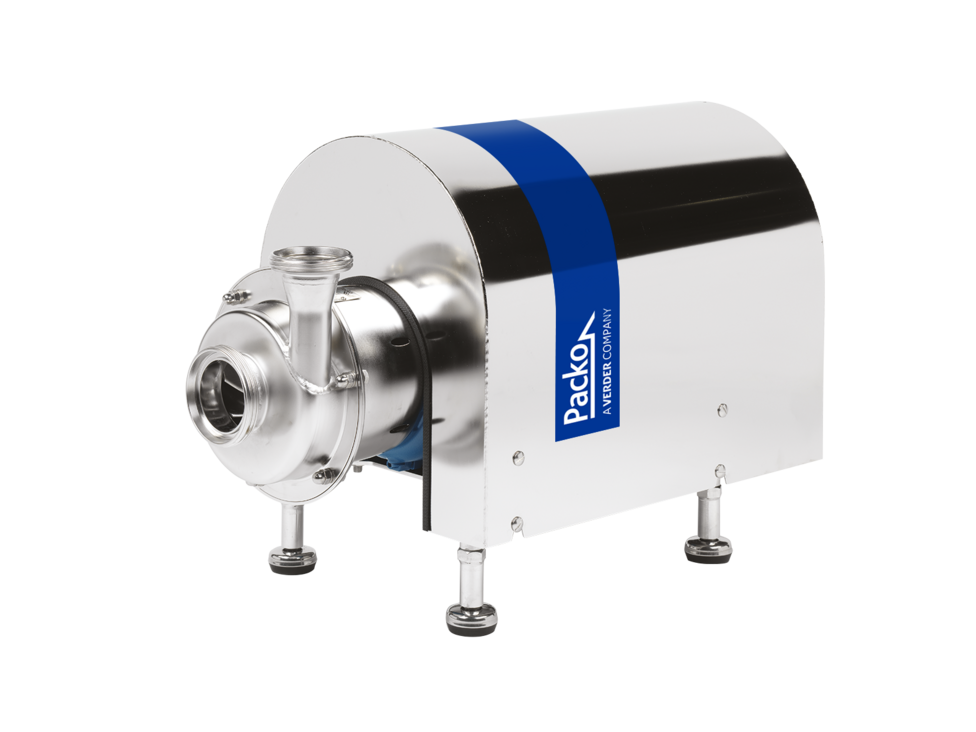
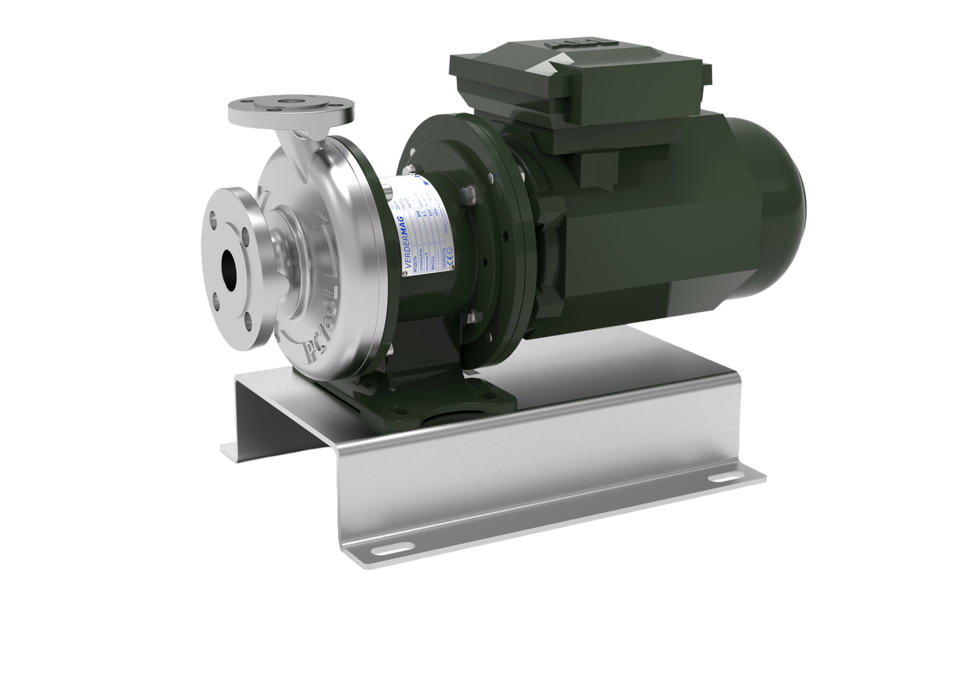
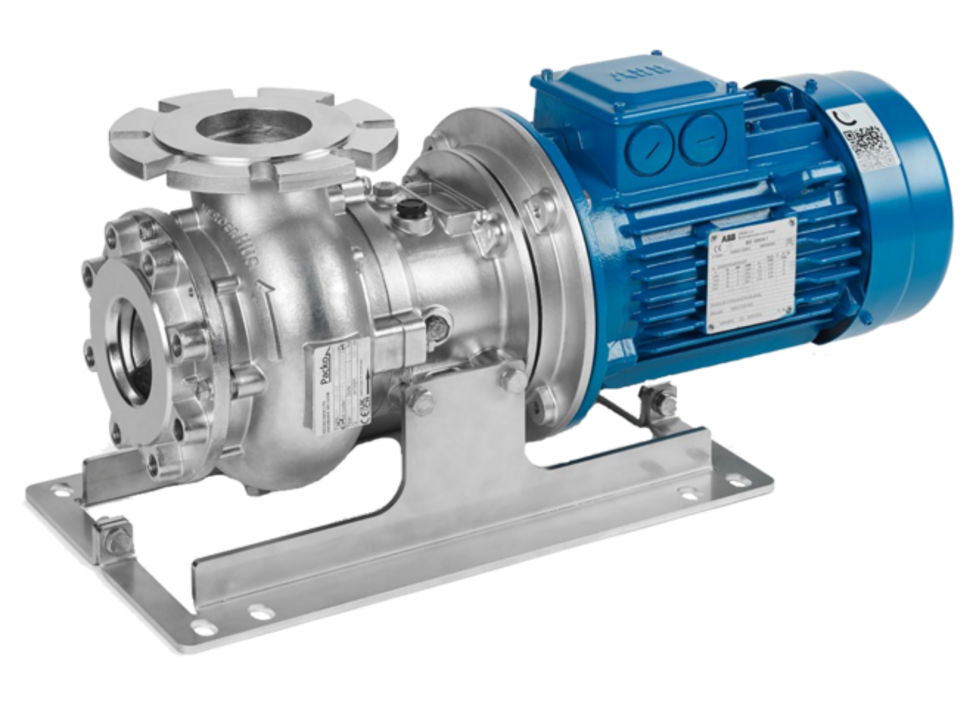
Types of centrifugal pumps
The different types of centrifugal pumps can be classified in several ways. One common classification is based on the type of impeller, such as closed, semi-open, open, vortex, screw, or channel impellers. Additionally, pumps can be categorized by the number of stages, distinguishing between single-stage and multistage pumps.
Another important classification is based on construction, including designs such as end-suction, inline, and split-case pumps. Furthermore, there are specialized versions, such as self-priming pumps, magnetically coupled (sealless) pumps, and specific designs like channel or screw pumps that are suitable for handling fluids containing solids or specific hygienic pumps.
What kind of fluids can be handled by centrifugal pumps?
Centrifugal pumps are versatile and widely used for handling a broad range of fluids. They are best suited for low- to medium-viscosity liquids such as water, chemicals, and light oils, but can also manage slightly contaminated fluids and, with the right design, liquids containing solids or fibers. Specialized configurations make them suitable for applications in chemical processing, wastewater treatment, and hygienic industries like food and pharmaceuticals.
Applications centrifugal pumps?
Centrifugal pumps are widely used for water supply, pressure boosting, and irrigation, as well as in wastewater treatment and HVAC systems. In industry, they handle chemicals, process fluids, and cooling water across sectors such as chemical processing, oil and gas, and power generation. They are also used in hygienic applications like food and pharmaceuticals, and for dewatering or slurry handling in mining and construction.
People also look at


Videos Centrifugal Pumps
Check out our videos.